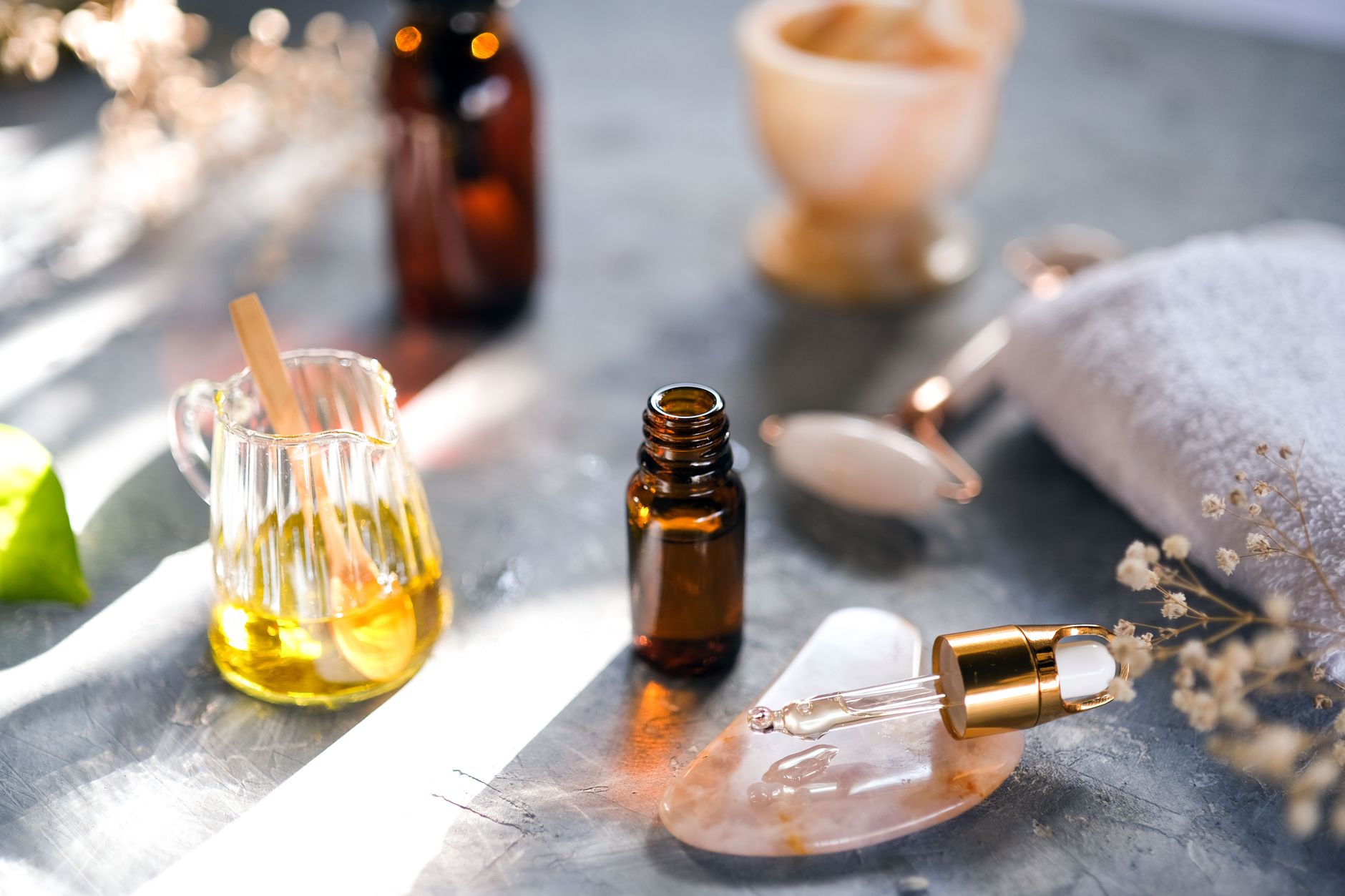
An aroma oil massage is one of the most requested treatments at day spas and dedicated massage studios across Australia. The name covers a specific method: a therapist uses a blend of carrier oil and concentrated essential oils to work through the soft tissue of your body, combining the mechanical effects of massage with the aromatic and absorptive properties of plant-derived extracts. The result is something that works on more than just tight muscles.
How aroma oil massage actually works
The technique draws on two well-understood mechanisms. First, touch. Long, flowing strokes (known as effleurage) warm the tissue and increase local circulation. Kneading and compression strokes then target deeper layers of muscle to release tension held in specific spots. Second, the oils. Essential oils are volatile aromatic compounds extracted from flowers, bark, roots, or resin. When blended into a carrier such as sweet almond or jojoba and applied to skin, a portion of the active compounds is absorbed transdermally. A portion also reaches the limbic system via the olfactory nerve, which is why certain scents can shift your mood within minutes of entering the room.
It's worth being specific about the oils used. Lavender is probably the most common choice for relaxation work. Eucalyptus and peppermint are frequently used when muscle aches or congestion are the main complaint. Frankincense tends to appear in treatments aimed at reducing mental stress. A good therapist will ask about your skin sensitivities and your goals before selecting a blend rather than reaching for whatever's already on the shelf.
What a typical session looks like
Sessions run 60 to 90 minutes in most clinics. You'll start with a short consultation, covering any areas of concern, recent injuries, skin conditions, or allergies. Then you'll lie on a padded massage table, draped with a sheet or towel. Only the area being worked is uncovered at any time.
The therapist begins with gentle, warming strokes across the back before moving into more targeted work on the shoulders, neck, lower back, and legs. The pressure is generally moderate. It's lighter than a deep tissue session but more intentional than a purely relaxing Swedish massage. You should feel comfortable enough to breathe slowly throughout. If any pressure feels wrong, say so. A trained therapist adjusts without fuss.
Afterwards, it's normal to feel both calm and a little drowsy. Drinking water for the rest of the day helps your body process the increased circulation and any metabolic waste shifted from the muscles.
Who benefits most
People dealing with chronic low-grade stress tend to respond strongly to aroma oil work, partly because the scent component begins calming the nervous system before the hands even start moving. Office workers with persistent neck and shoulder tension are another obvious group. Aroma oil massage also suits people who find purely clinical or high-pressure treatments uncomfortable: the sensory environment is gentler, the pacing is slower, and the oils create a tactile quality that deep tissue work doesn't offer.
It's not the right choice for every situation. Active inflammation, recent surgery, skin infections, or certain cardiovascular conditions call for medical clearance first. Pregnancy massage is a separate specialism with its own positioning and oil restrictions. If you're unsure whether a session is appropriate for you, a quick call to the clinic before booking saves everyone time.
Choosing the right place
Quality varies more than it should in the massage industry. Look for a therapist who holds a Certificate IV in Massage Therapy or higher, and a studio that uses professional-grade essential oils rather than synthetic fragrance oils. The distinction matters: synthetic fragrances smell similar but don't carry the same compounds, so you lose most of the therapeutic rationale for using them.
At Sang Thai Massage in Randwick, aroma oil massage sessions use properly diluted therapeutic-grade blends. The clinic is close to public transport and the Eastern Suburbs' main shopping strip, which makes it a practical option for anyone in the Randwick, Kensington, or Coogee area looking to fit a treatment into a regular week rather than treating it as a special occasion.
How often should you book
There's no universal answer. For pure relaxation and stress management, once a month is a reasonable baseline for most people. If you're dealing with accumulated muscle tightness from a sedentary job or a period of heavy physical activity, fortnightly sessions for 6 to 8 weeks can make a noticeable difference before dropping back to a maintenance schedule. Your body gives you feedback. Tightness returning after 2 weeks suggests you'd benefit from more frequent work. Feeling loose and rested through to the end of the month means monthly is probably enough.
The single most common mistake people make is waiting until they're in significant discomfort before booking. Aroma oil massage works best as ongoing maintenance rather than crisis management. Smaller, regular inputs keep tension from building to the point where a single session can't fully address it.