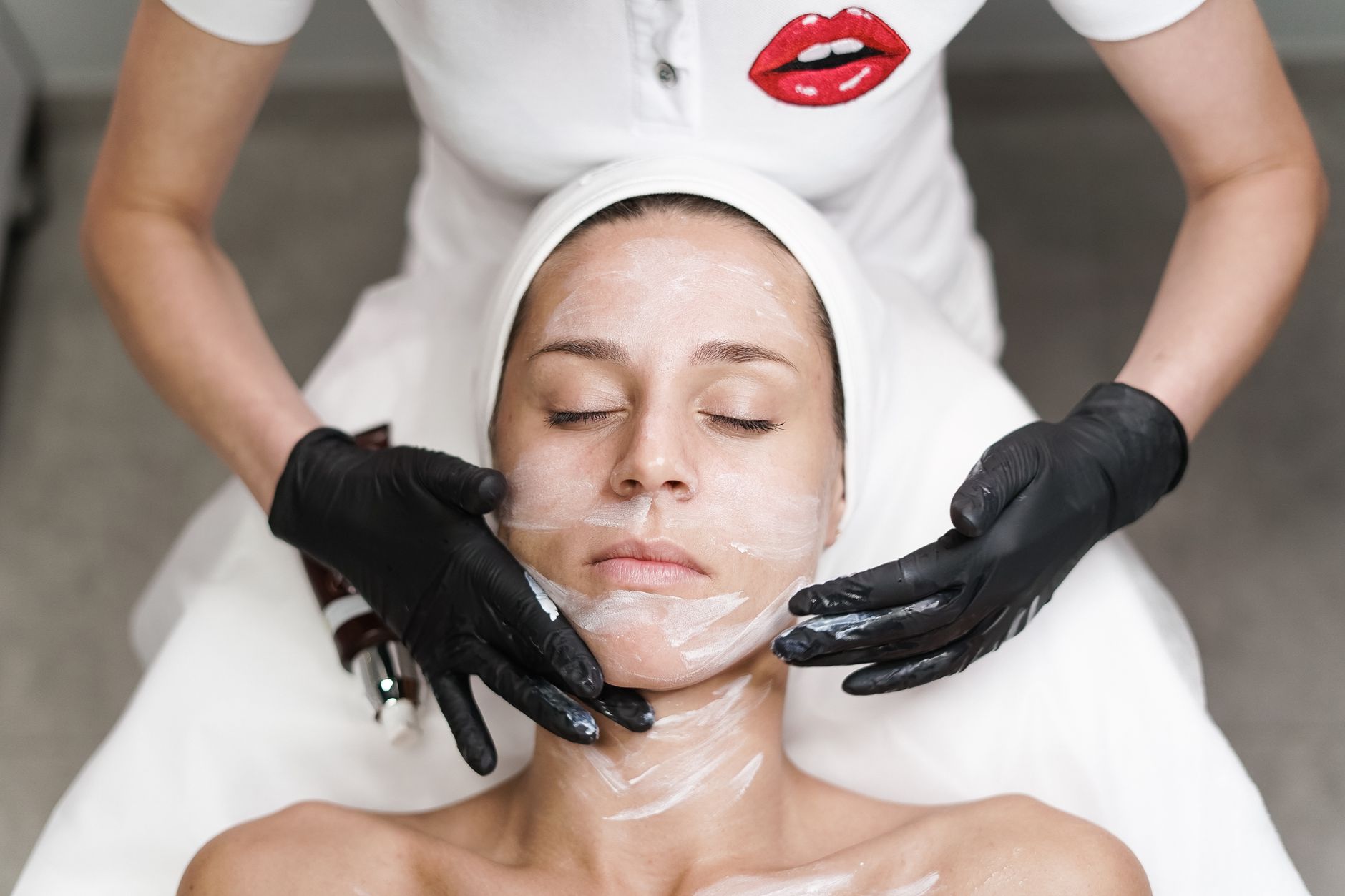
A facial treatment is one of the most effective ways to reset your skin between seasons, address congestion, or simply give your face the focused attention the rest of your skincare routine can't provide. Unlike a daily cleanser or serum, a professional facial works methodically through multiple steps, adapting to what your skin actually needs on the day. The results show up quickly, and with regular sessions, the cumulative benefits are significant.
What happens during a facial treatment
A standard facial runs between 45 minutes and 90 minutes. Most sessions follow the same broad sequence: cleanse, exfoliate, extract, mask, and moisturise. Within that framework, the therapist adjusts products and techniques to suit your skin type, whether that's oily, dry, sensitive, or combination.
The cleansing phase removes surface-level makeup, sunscreen, and daily buildup. After that, exfoliation sloughs away dead skin cells, either with a gentle enzyme formula or a mild physical scrub. Extractions come next if there's congestion. This step clears blocked pores and is the part most people either dread or look forward to, depending on their skin history.
The mask sits on the skin for 10 to 15 minutes. Clay-based masks draw out impurities from oily skin; hydrating sheet masks plump drier skin types. The session closes with serums, moisturiser, and SPF if the appointment is during the day.
The skin benefits that build over time
One session delivers a visible result. Skin looks cleaner, feels smoother, and often has a brightness that's hard to replicate at home. Deeper benefits accumulate with repeat visits.
Regular facial treatments improve circulation to the skin's surface, which supports the natural cell turnover cycle. Consistent exfoliation helps prevent the kind of chronic congestion that leads to breakouts. For clients dealing with uneven tone or fine lines, a course of treatments spaced 4 to 6 weeks apart tends to produce the most noticeable change.
Hydration is another practical outcome. Dehydrated skin often produces excess oil as compensation, so introducing proper moisture at a professional level can actually reduce oiliness over time. That's a counterintuitive result that surprises a lot of first-time clients.
How facial treatments pair with body therapies
Skin on the face responds to stress just as the body does. Tension in the jaw, temples, and neck contributes to dullness and puffiness, which is why many therapists incorporate facial massage into their sessions. This connects naturally to the principles behind aroma oil massage, where therapeutic touch and carefully chosen botanical oils work together to calm both tissue and nervous system.
Booking a facial on the same day as a body massage isn't indulgent, it's efficient. You leave with the circulatory and lymphatic benefits of a full-body session amplified by the targeted skincare work on your face.
What to do before and after your appointment
Arrive with clean skin if possible. Skip active ingredients like retinol or acids for 48 hours before the appointment, as these increase sensitivity and can lead to unnecessary redness during extractions. Let your therapist know about any recent cosmetic procedures, skin conditions, or prescription topicals you're using.
After the treatment, keep things simple. Skip heavy makeup for the rest of the day. Drink water. Avoid intense sun exposure and hold off on active serums for 24 hours so the skin can consolidate what it's absorbed.
The most common mistake people make is treating a facial as a one-off fix rather than part of an ongoing routine. Skin that's maintained consistently responds better and faster to each subsequent session.
Choosing the right facial for your skin type
There's no single facial that works for everyone. A hydrating facial suits dry or dehydrated skin; a purifying or deep-cleanse facial targets oily and congested complexions. Anti-ageing facials focus on stimulating collagen and improving elasticity, often incorporating a face and neck massage to support lymphatic drainage.
If you're unsure, a good therapist will assess your skin at the start of the session and adjust accordingly. You don't need to arrive with a diagnosis. Just arrive.