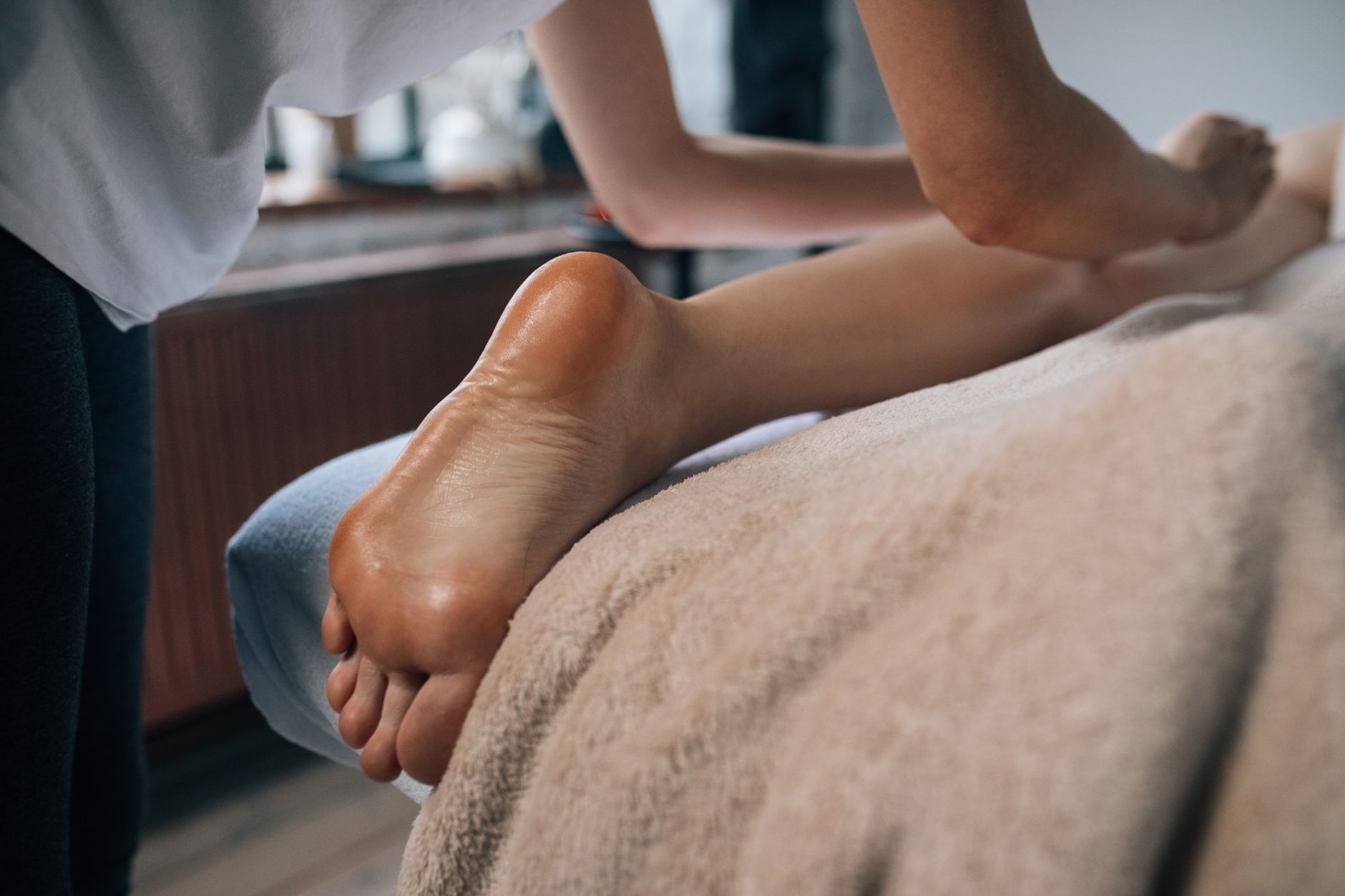
Foot reflexology is one of those therapies that sounds deceptively simple: a practitioner presses on your feet and something happens deeper in your body. In practice, it's a structured, methodical technique with roots going back thousands of years in Chinese and Egyptian healing traditions. Whether you're coming to it for the first time or you've had a session or two in the past, understanding what reflexology actually does helps you get more out of it.
How foot reflexology works
The core idea is that the feet contain a map of the body. Each zone on the sole, heel, arch, and toes corresponds to a specific organ, gland, or body system. A trained reflexologist reads that map and applies targeted pressure with thumbs and fingers to stimulate the relevant areas. The pressure doesn't just feel good locally. It's thought to clear energy pathways and encourage the corresponding part of the body to function more efficiently.
Western researchers have proposed several explanations for why this works. One is the nervous system connection: the feet contain roughly 7,000 nerve endings, and stimulating them sends signals along the spinal cord and into the brain. Another is the effect on blood and lymphatic circulation. Either way, most people report a measurable shift in how they feel within the first 20 minutes of a session.
What happens during a session
You'll typically start by sitting or lying on a treatment table. Your shoes and socks come off. That's it. Unlike a full-body massage, you stay clothed from the ankles up.
The reflexologist begins with a gentle warm-up, working across the whole foot to assess tension and identify sensitive spots. From there, they move methodically through the reflex zones. Pressure varies. Some areas feel pleasant; others will feel tender if the corresponding body part is under stress. That tenderness isn't a problem. It's information, and a good practitioner adjusts the pressure accordingly.
A standard session runs 45 to 60 minutes. You may feel deeply relaxed, slightly drowsy, or occasionally emotionally lighter by the end. A glass of water afterwards is strongly recommended, as the session can have a mild detoxifying effect.
Who it suits
Foot reflexology suits a wide range of people. It's particularly popular with those who sit or stand for long stretches at work, carry stress in their lower body, or want a gentler form of bodywork than a deep-tissue massage. It's also a good option for people who feel uncomfortable with full-body contact but still want the benefit of hands-on therapy.
If you're already exploring other hands-on therapies, it pairs well with aroma oil massage, which works on the muscles and nervous system through essential oils applied to the skin. The two approaches target different systems and complement each other nicely in the same week.
What to watch for afterwards
Most people feel calm and rested. Some feel a brief period of heightened awareness or mild fatigue as the body responds to the stimulation. Neither is a cause for concern. Both typically resolve within a few hours.
Drink water. Rest if you can. Avoid alcohol for the remainder of the day. Your feet may feel a little sensitive, which is normal after focused pressure work on the nerve endings.
How it compares to other treatments
Reflexology is not the same as a foot massage, though the two are often confused. A foot massage works on the muscles of the foot itself. Reflexology uses the foot as a reference point for the whole body. The techniques look similar from the outside, but the intention and methodology are entirely different.
It's also distinct from a facial treatment, which targets the skin and underlying tissue of the face. Reflexology is a systemic therapy. It works from the outside in, using specific pressure points rather than surface-level skincare techniques.
If you're unsure which treatment fits your needs, describe your main concern to your practitioner before you book. Tight shoulders and a foggy head point in a different direction than dry skin or jaw tension. Matching the therapy to the symptom is how you get the best result.