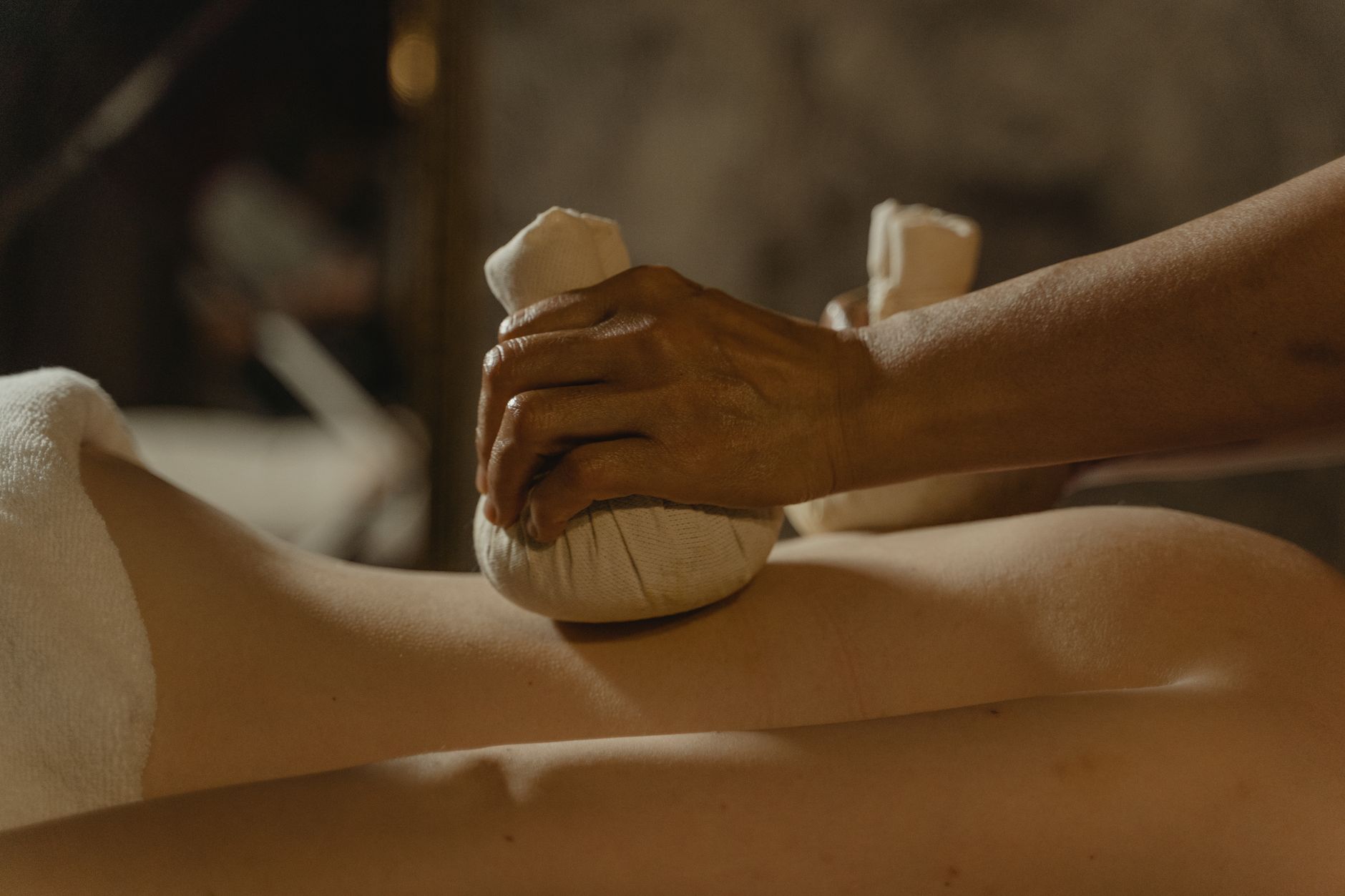
A Thai herbal compress is one of the most distinctive treatments in traditional Thai medicine. Therapists steam tightly wrapped cloth bundles packed with a blend of dried herbs, then press and roll them across the body in slow, deliberate strokes. The heat carries the medicinal compounds into the skin while releasing tension from muscles that a standard massage hand can't quite reach in the same way. The effect is deep, warming, and noticeably different from any other bodywork you've tried.
What's actually inside the compress?
The bundle itself is a muslin or cotton cloth folded around a core of herbs, then twisted and tied into a firm ball roughly the size of a large orange. Classic formulas include lemongrass, kaffir lime leaves, galangal, turmeric, camphor, and tamarind. Each herb plays a role. Lemongrass is anti-inflammatory. Turmeric is used to reduce swelling. Camphor improves circulation and carries a sharp, cooling counterpoint to the overall heat. The proportions vary by practitioner, but most traditional blends run to at least 8 or 9 separate ingredients.
Before the session starts, the bundles are steamed for about 10 to 15 minutes until they're soft, fragrant, and saturated with heat. A good therapist will test the compress on their own wrist before applying it to your skin. Too hot and they'll let it cool for a moment. The ideal temperature is noticeable warmth, not discomfort.
What happens during the treatment
You'll lie on a padded mat or massage table, and the therapist will work through the body in sections: back, shoulders, legs, arms, abdomen if needed. The compress is pressed firmly against the muscle, held for a few seconds, then rolled in a circular or linear motion before being lifted and repositioned. It's rhythmic. The heat refreshes the herb scent each time the bundle contacts skin, so the aromatherapy dimension compounds over the course of the session.
Most Thai herbal compress treatments run for 60 to 90 minutes. The compress is reheated from the steamer two or three times as it cools. Some therapists combine it with traditional massage strokes between passes of the compress, which helps work the herb-softened tissue while it's most receptive. If you're already familiar with aroma oil massage, the compress shares that same sensory layering of scent and touch, but the heat element adds a dimension that oil alone doesn't provide.
Who benefits most from a herbal compress
The treatment suits a wide range of people, but it particularly shines for a few situations. Chronic muscle stiffness responds well. So does general fatigue, especially when it's accumulated across the shoulders, lower back, and legs. People recovering from mild overuse tend to find the anti-inflammatory herbs noticeably helpful over a course of treatments.
It's not ideal if you have a fever, open wounds, sunburn, or are in the first trimester of pregnancy. The heat intensity rules it out for anyone with sensory impairment that makes temperature feedback unreliable. For most healthy adults, though, it's a safe and deeply effective option. If you're considering a longer session to get the full benefit, the 90-minute package gives your therapist enough time to cover the whole body properly rather than skipping areas.
The difference between herbal compress and a hot stone massage
Both use heat, but the mechanisms are different. A hot stone massage uses smooth basalt stones that conduct heat into the tissue through direct contact. The compress does that too, but it also delivers active plant compounds that absorb into the skin. The rolling and pressing technique of the compress creates a mild kneading action that stones don't replicate. Hot stones are passive heat sources. The compress is heat plus chemistry plus manual technique, all at once.
How to prepare and what to do afterward
Arrive reasonably hydrated. Heavy meals in the hour before make lying face-down on a full stomach uncomfortable, so keep it light. Wear or bring loose clothing, since your skin will retain some of the herb residue and you won't want to pull on anything tight immediately after. The herbal oils absorb well and leave a faint, pleasant scent for hours.
Drink water after the session. The heat and the increased circulation mean your body is working slightly harder than at rest, and the herbs will have stimulated some lymphatic activity. A short rest before you drive or take public transport is worth it. The post-treatment window is also a reasonable time to book a facial treatment if you want to extend the relaxation, since the body is already in a parasympathetic state and skin responds well to active treatment when circulation is up.
Most people feel a combination of physical ease and mild sleepiness for the rest of the day. It's one of those treatments that tends to deliver a better night's sleep as a secondary benefit, which is reason enough for a lot of clients to make it a regular booking.