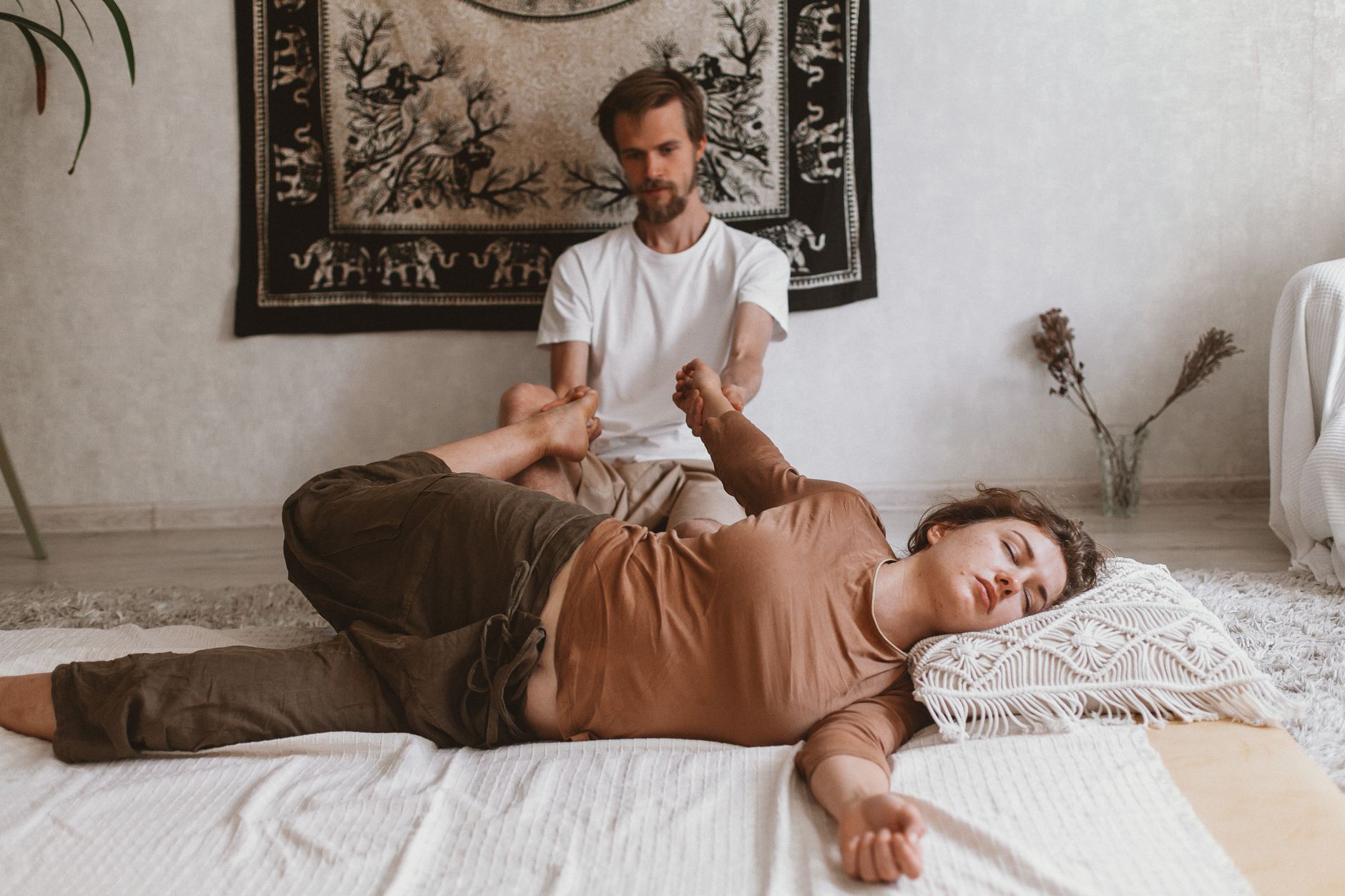
Thai massage is a full-body therapy that works differently from most Western treatments. Rather than simply kneading muscle tissue, a therapist applies rhythmic compression along the body's energy lines, uses their hands, thumbs, elbows, and knees to release tension, and guides you through a series of assisted stretches. The result sits somewhere between a deep-tissue massage and a passive yoga class. It leaves most people feeling both physically lighter and noticeably calmer.
Where Thai massage comes from
The practice is roughly 2,500 years old, rooted in Ayurvedic medicine brought to Southeast Asia and refined in Buddhist temples in Thailand. For centuries, monks offered it as a form of healing care. The tradition was formalised and preserved at Wat Pho in Bangkok, the temple school that still trains practitioners today. It wasn't adopted widely outside Thailand until the late twentieth century, but it's now one of the most sought-after massage styles across Australia and around the world.
What actually happens during a session
You stay fully clothed in loose, comfortable clothing. No oils are used. The therapist begins at your feet and works systematically toward your head, pressing along the body's sen lines, which are the Thai equivalent of the meridians used in Chinese medicine. Pressure builds gradually, and you'll be guided through stretches that open the hips, lengthen the spine, and release the shoulders in ways you genuinely can't achieve on your own.
Sessions at Sang Thai Massage Randwick typically run 60 or 90 minutes. A 90-minute booking gives the therapist enough time to address each region of the body without rushing. If you'd like to explore that option, our 90-minute package is worth a look before you book.
Communication matters throughout. You can always ask for lighter or firmer pressure. A good therapist adjusts constantly based on how your body responds, not just to what you say at the start.
The specific benefits people notice
The combination of compression and stretching does something no single technique achieves alone. Compression increases circulation and softens tight fascia. Stretching lengthens the muscles while they're already relaxed. Together, they improve joint mobility, reduce chronic muscle stiffness, and calm the nervous system. Athletes use it for recovery. Office workers use it for postural tension. Most people use it simply because it makes them feel better for days afterward.
It also works well alongside other therapies. Some clients follow a Thai massage with a session that incorporates heat, which is why our Thai herbal compress treatment is often booked as a natural companion: the moist herbal heat penetrates deeper into muscles that have already been loosened by the stretching work.
Is it right for you?
Thai massage suits most people. It's particularly useful if you feel stiff or compressed, if you sit at a desk for long hours, or if you carry tension in your hips and lower back. It isn't recommended directly after surgery, during certain stages of pregnancy, or if you have acute inflammation in a joint. When in doubt, mention your health history before the session begins. A therapist can adjust the techniques or suggest a more suitable treatment.
First-timers sometimes expect it to be uncomfortable. It can feel intense in tight areas, but it shouldn't hurt. Soreness the next day, similar to what you'd feel after a good stretch session, is normal and fades quickly.
What to do before and after
Arrive in loose-fitting clothes or change when you get here. Avoid a heavy meal for at least an hour beforehand. Drink water afterward. That's genuinely all the preparation it takes. The session will do the rest.
If you'd like a broader sensory experience alongside the physical work, it's worth considering an aroma oil massage on a separate visit. Where Thai massage focuses on structure and movement, an oil treatment layers in the relaxation benefits of essential oils for a noticeably different effect.